
Champagne's Latest Releases Are Built on Two Very Different Harvests

A new Champagne tasting report from JamesSuckling.com traces much of what's in the glass right now back to two very different growing seasons. Most of the nonvintage and multivintage Champagnes on shelves today are built on a base of either the 2022 or 2021 harvest, blended with older reserve wines, and the two years could hardly be more different. 2022 was hot and dry, producing bold, rich base wines that turned out less heavy than the growing season alone would suggest. 2021 was cool and wet, a genuinely difficult year in the vineyard, yet the wines built on it are showing real freshness and brightness. Vintage-dated releases from 2018 are also on shelves now, prized for their balance and freshness, even though some winemakers in the region preferred the richer, more structured 2019 that followed.
The bigger story behind both vintages is a warming trend across Champagne's growing regions, the Montagne de Reims, the Vallée de la Marne, the Côte des Blancs and the Côte des Bar, that's raising ripeness levels overall. Base wines are coming in riper and higher in alcohol than they were a decade ago, which means producers need less dosage (the wine-and-sugar mixture added before final corking) to balance them, and it's part of why Extra Brut, Brut Nature and zero-dosage styles have become so much more common. The Côte des Blancs in particular is turning out some of its best Chardonnay in memory, with the hottest, driest years pushing quality especially high. Some producers are even blocking the softening malolactic fermentation step to hold onto more acidity in these warmer vintages, though a few say that can push the wine toward a slightly green edge if taken too far. Meanwhile, Champagne's Pinot-Noir-only bottlings, known as blanc de noirs, are getting richer and more structured, built to pair with food and to age for years rather than to drink on release.
The report also touches on the flip side of that ripening trend: a growing market for old Champagne. Pol Roger's Hubert de Billy told the tasting team that demand for aged Champagne is climbing among both young and old drinkers, a sign the category's appeal keeps broadening even as overall Champagne shipments have fallen, from 326 million bottles in 2022 to 266.1 million in 2025.
Read the full report at JamesSuckling.com.
We carry Champagne from several of the houses in this report: Pol Roger Brut Reserve (NV), Piper-Heidsieck Champagne Brut Vintage (2014), Louis Roederer Cristal Brut (2015), Billecart-Salmon Le Réserve Extra Brut (NV), Laurent-Perrier Blanc de Blancs Brut Nature (NV), Taittinger Brut Prestige Rosé, Ruinart Brut Blanc de Blancs (NV), and Legras & Haas Champagne Blanc de Blancs Grand Cru Chouilly Millésime.
Related Posts

October 19, 2026
New website, who dis?
We have new! New website, point of sale, loyalty, emails, gift cards, events, gift baskets. So many things! Make sure you read this to see how to transfer your points and orders to the new system.
Read more →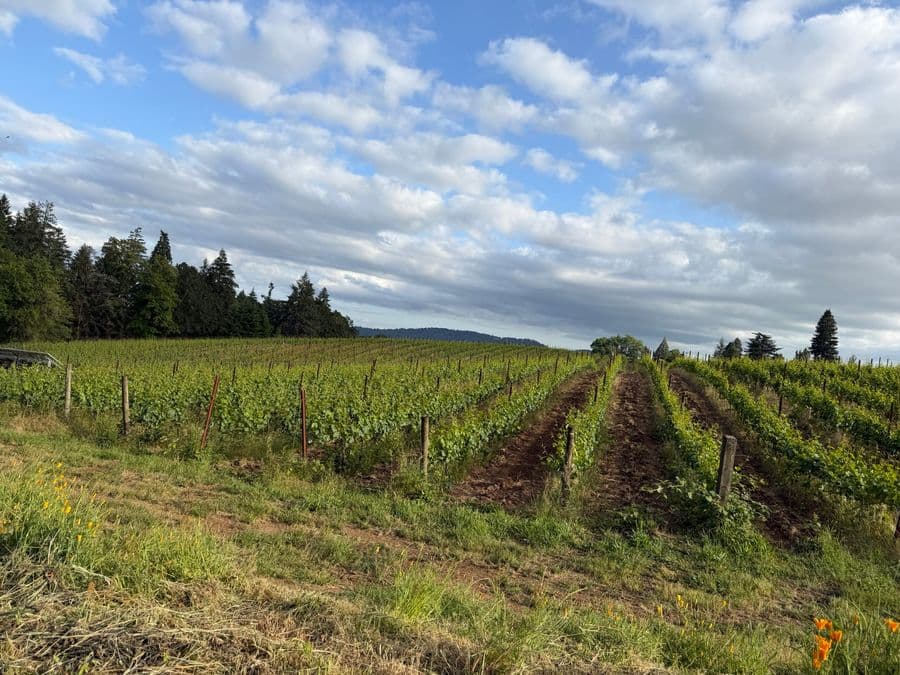
September 16, 2026
Willamette Valley 2023 & 2024: Two Very Different Roads to Great Pinot Noir
A new deep dive into Oregon's Willamette Valley finds 2023 delivering generous, sun-driven Pinot Noir after a run of difficult years, while an unusually long, even 2024 growing season is already being called one of the region's most complete vintages in decades.
Read more →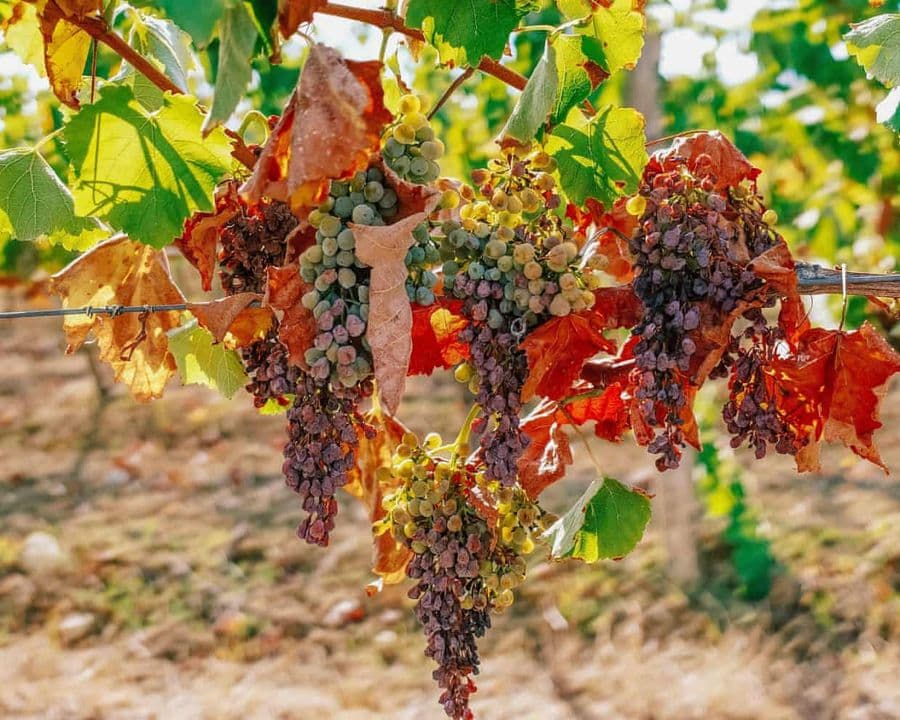
September 14, 2026
France Braces for a 30-Year-Low Wine Harvest After Its Hottest Summer on Record
French winemakers are forecasting their smallest harvest in three decades after a summer of record heat and drought scorched vineyards from Champagne to Bordeaux.
Read more →